

Explore our Richness of Nature and Culture Heritage

Geodiversity Highlight

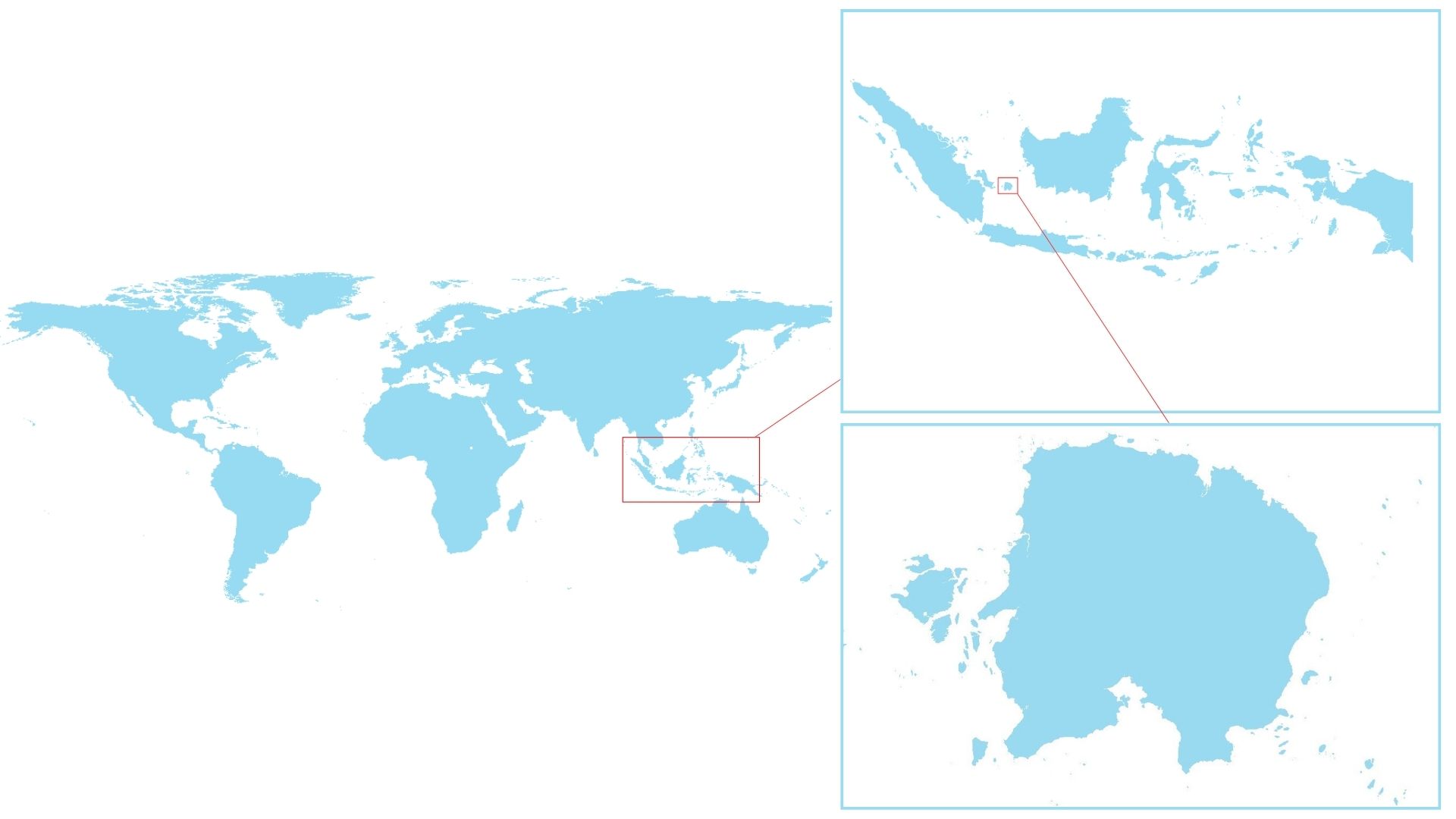
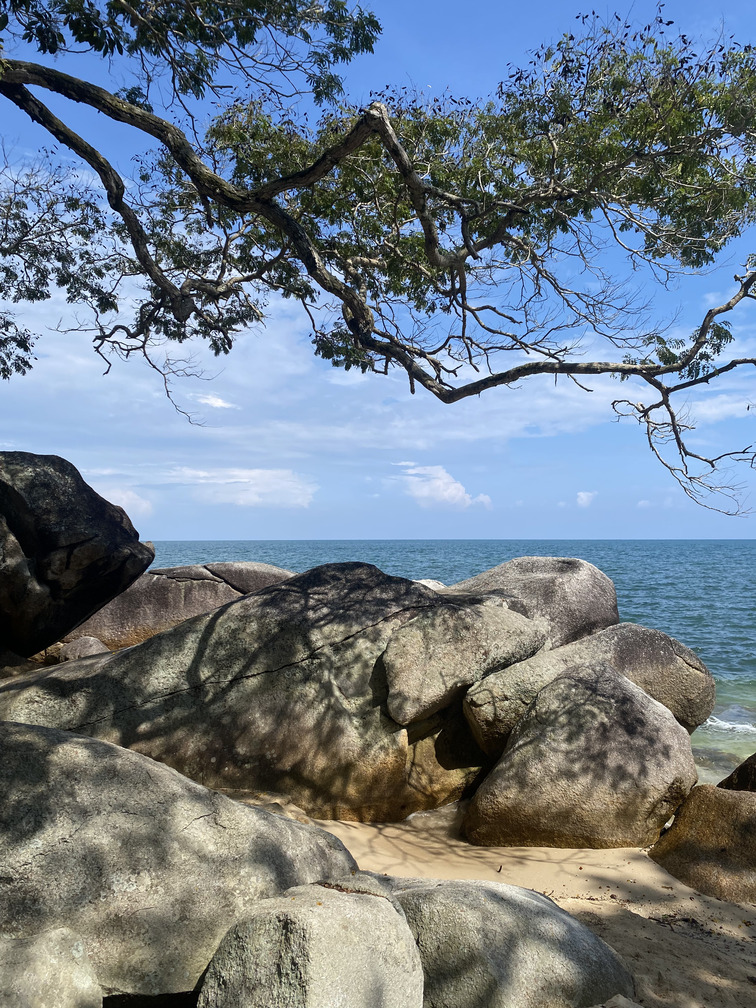
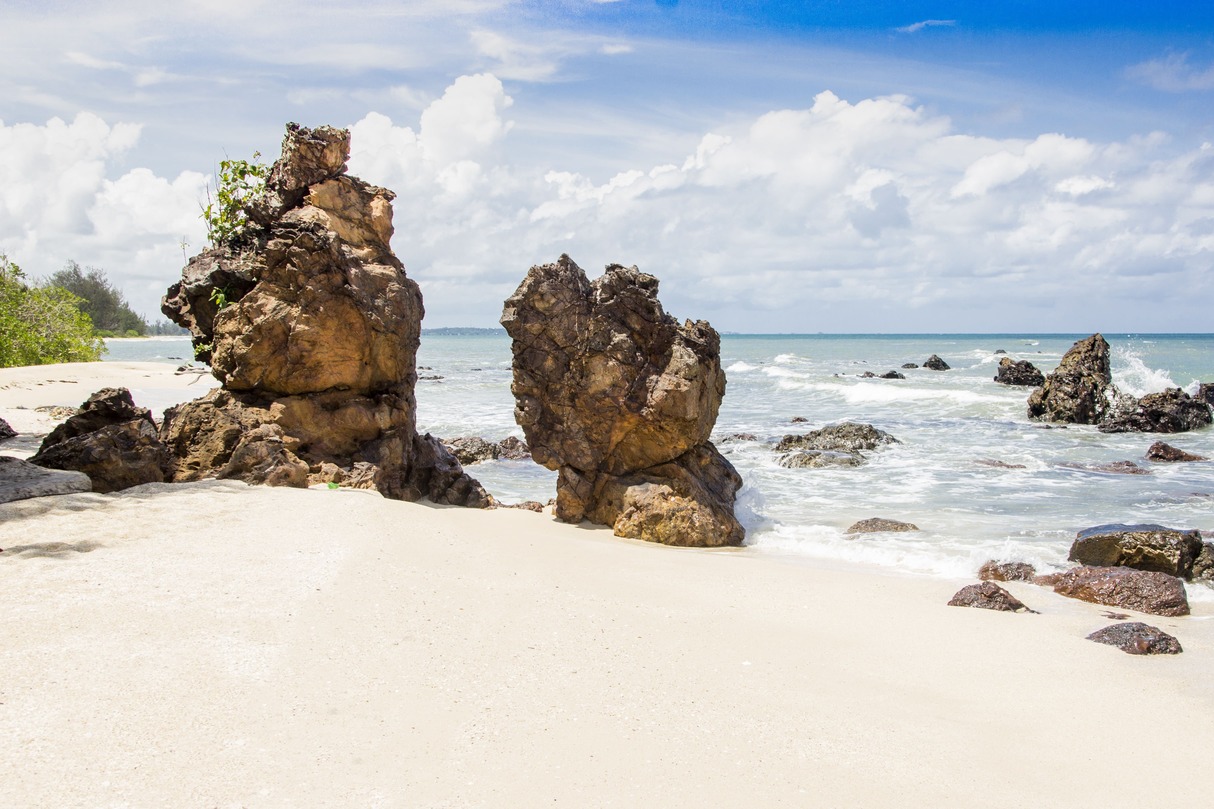
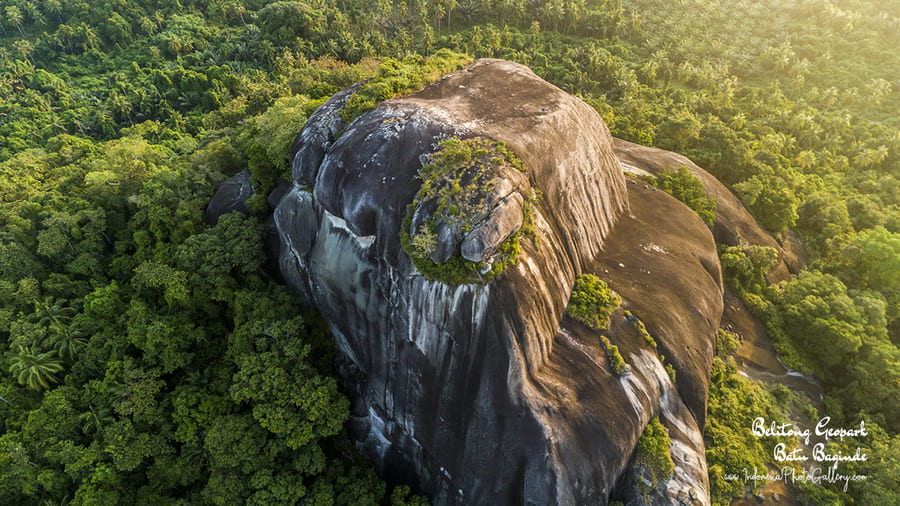
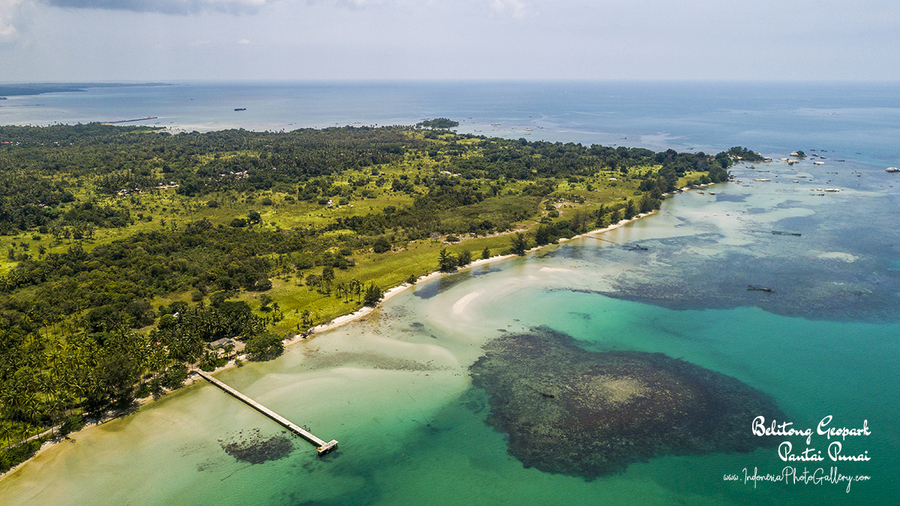
Belitung Geopark consists of Belitung Island and over 241 small islands, with Belitong and Mendanau among the largest. Its landscape features tor granite formations, rolling plains, hills, and Gunung Tajam (510 m). The island’s geology spans Paleozoic to Quaternary, with sedimentary, igneous, and volcanic rocks shaped by erosion, granite intrusion, and hydrothermal processes. Unique Billitonite tektites also mark the island’s meteorite history.

Biodiversity Highlight

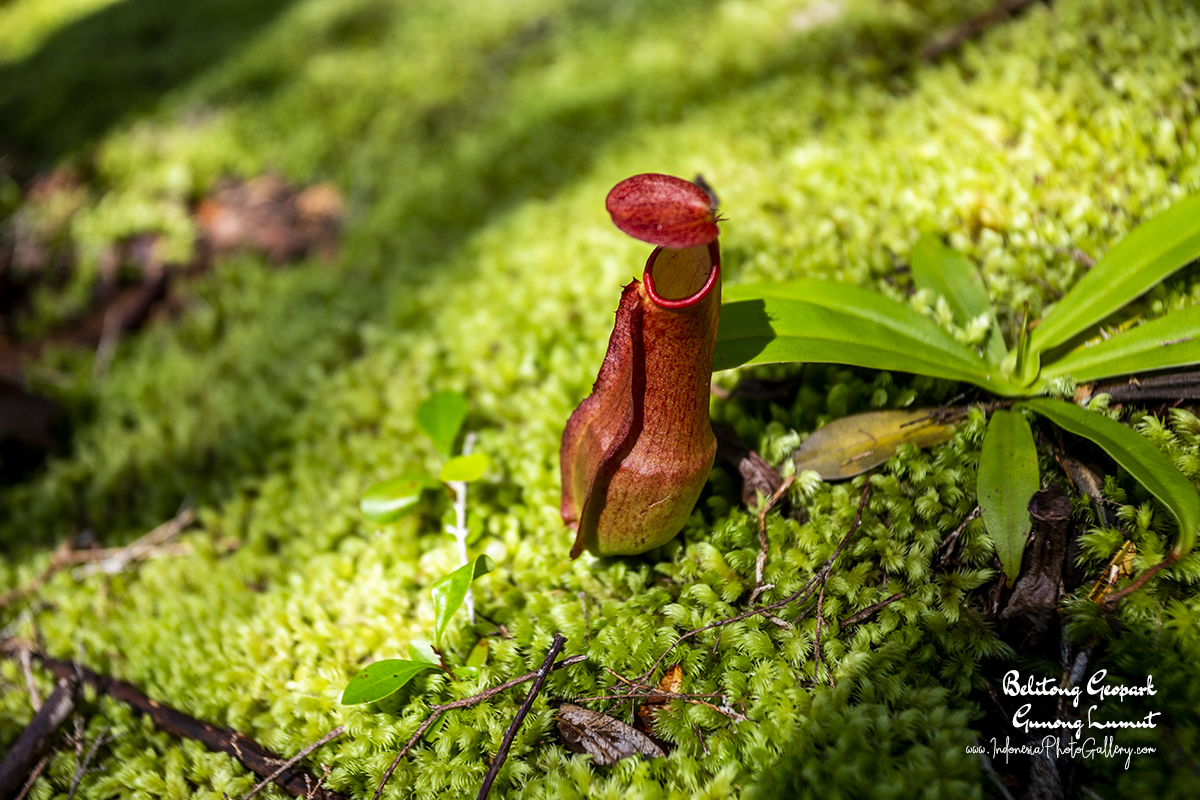
Based on a Biodiversity Survey by the Local Government collaborated with some national universities in 2003, 2012 and 2014, it was identified that there were around 566 plant species from various habitats; 11 mammal species originating from 7 families; and 94 species of birds. The significant natural heritage in the Belitong Island is The Belitong Tarsiers (Cephalopachus bancanus satator) and the Asian Arowana (Scleropages formosus).

Culture Highlight

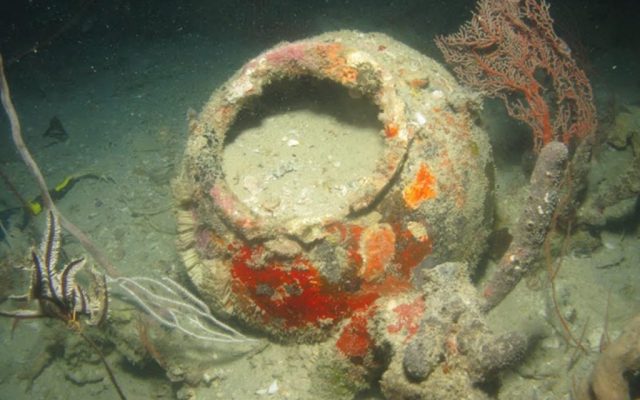
Since the 7th century, and reaching its peak in the 13th century, the waters around Bangka and Belitong were bustling with trade activity. These waters played an important role as an alternative route in the international trade network, connecting two great empires: the Tang Dynasty (618–907) in China and the Abbasid Dynasty (750–870) in the Middle East. This long history of trade made Belitong rich in maritime culture, leaving an important legacy in Indonesia’s maritime cultural heritage.

Explore our Richness of Nature and Culture Heritage
TOR Granite

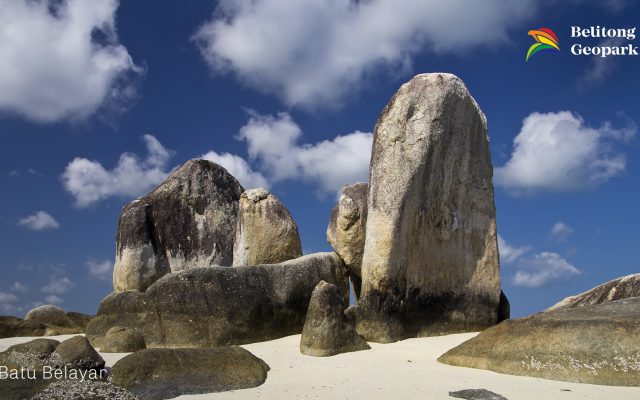
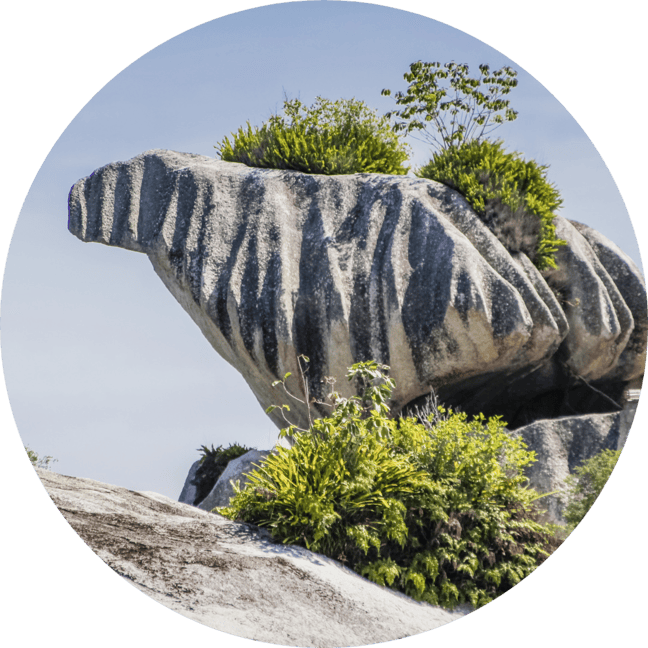
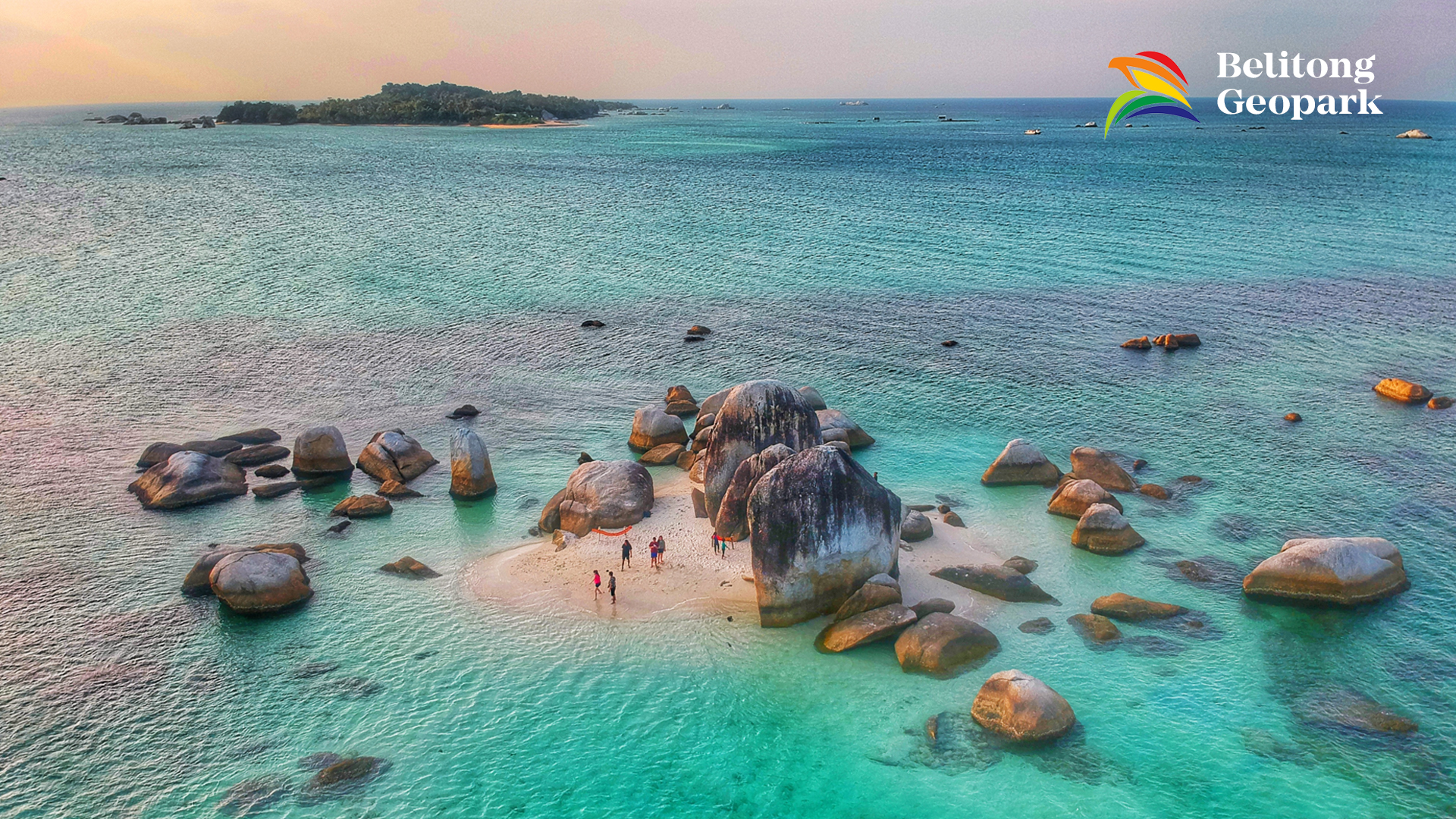
Outstanding TOR Granite Landscape

Belitong’s TOR granite is an exceptional geomorphological formation resulting from deep tropical weathering and spheroidal disintegration of granite plutons. These towering monoliths illustrate long-term exogenic processes shaping tropical granitic terrains. They serve as natural laboratories for studying granite geomorphology, landscape evolution, and the interaction of lithology, climate, and erosion through geological time.

Nam Salu Outcrop

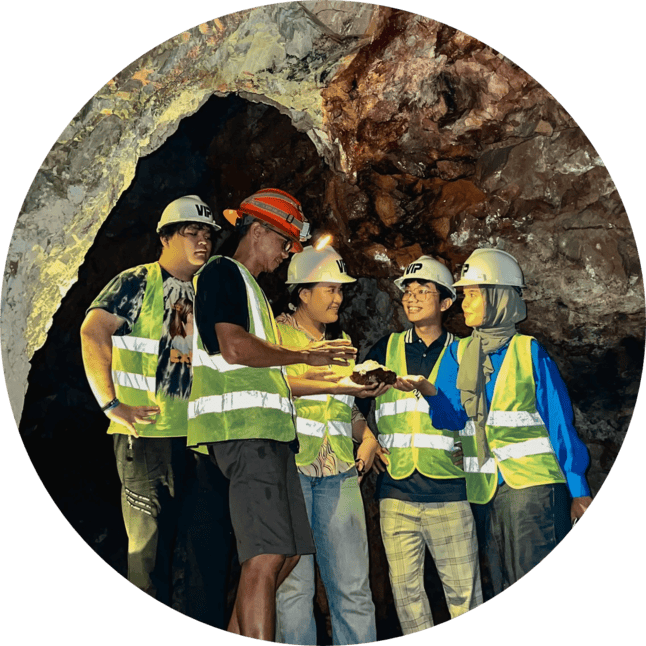
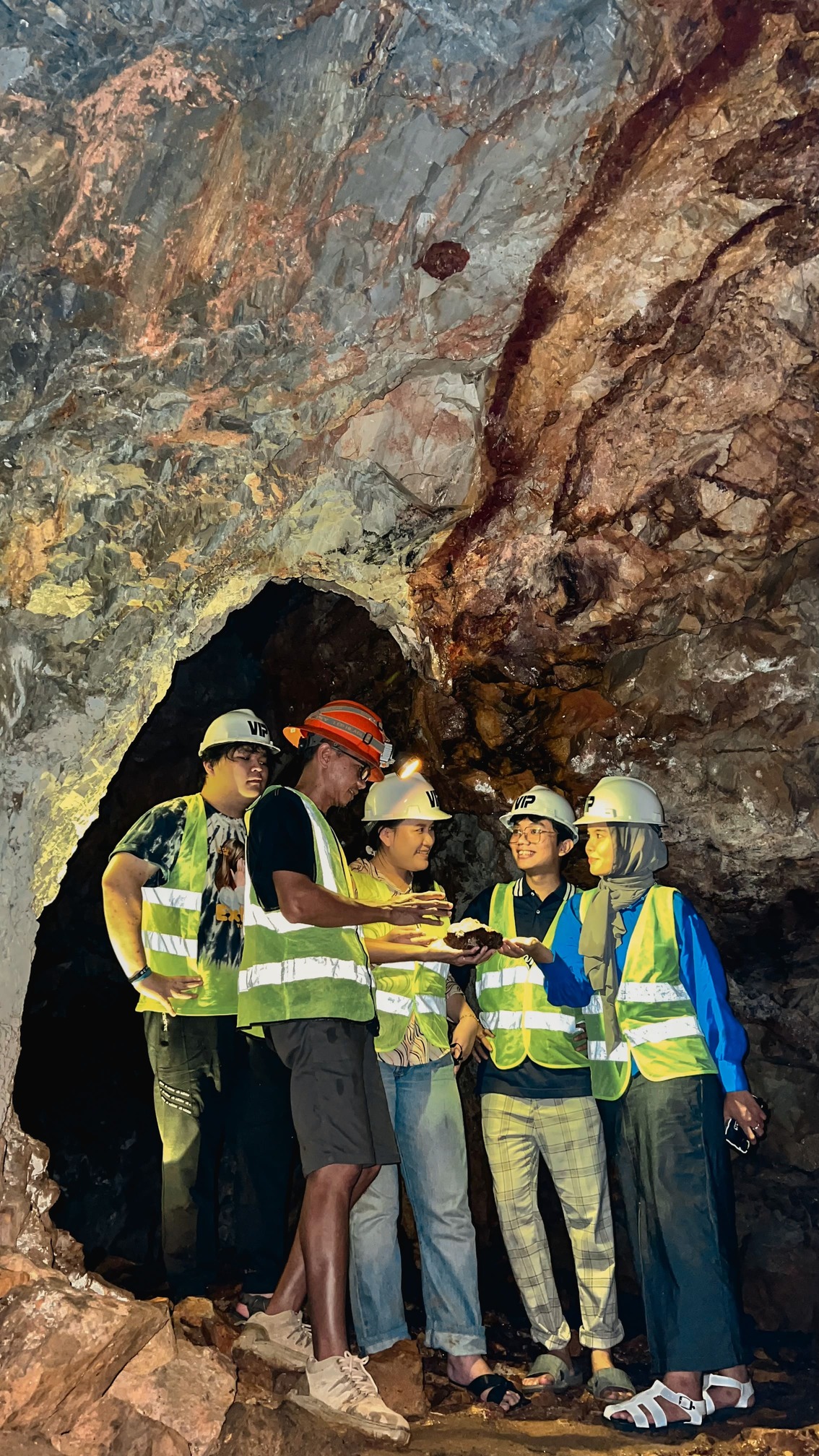
Outcrop of the Rocks Composing Belitong Island at Open Pit Nam Salu

The Nam Salu open pit reveals a rare and complete geological cross-section of Belitong Island’s basement. Exposed granitoids, volcanics, and associated mineralized zones provide critical evidence for tectono-magmatic evolution within the Sundaland margin. This globally significant site contributes to understanding metallogeny, mineralization, and the geodynamic history of Southeast Asian island arcs.

Billitonite Satam Stone

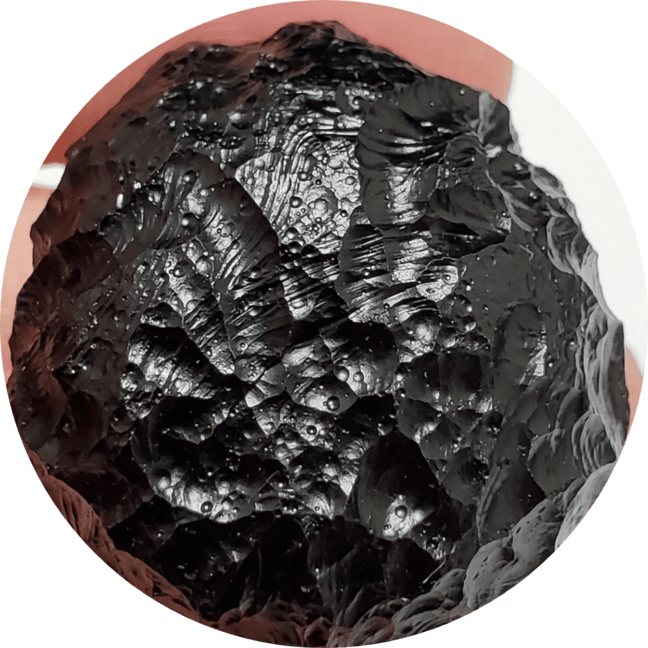
Billitonite Tektite (Satam Stone)

Billitonite, or Satam Stone, is an impact-derived tektite formed approximately 790,000 years ago during the Australasian strewn field event. Its unique aerodynamically sculpted surface records rapid melting and cooling from extraterrestrial impact processes. As one of the finest preserved tektites worldwide, it provides crucial evidence for planetary impacts and Earth–cosmic interactions.

Latest News

Belitong Geopark Partner